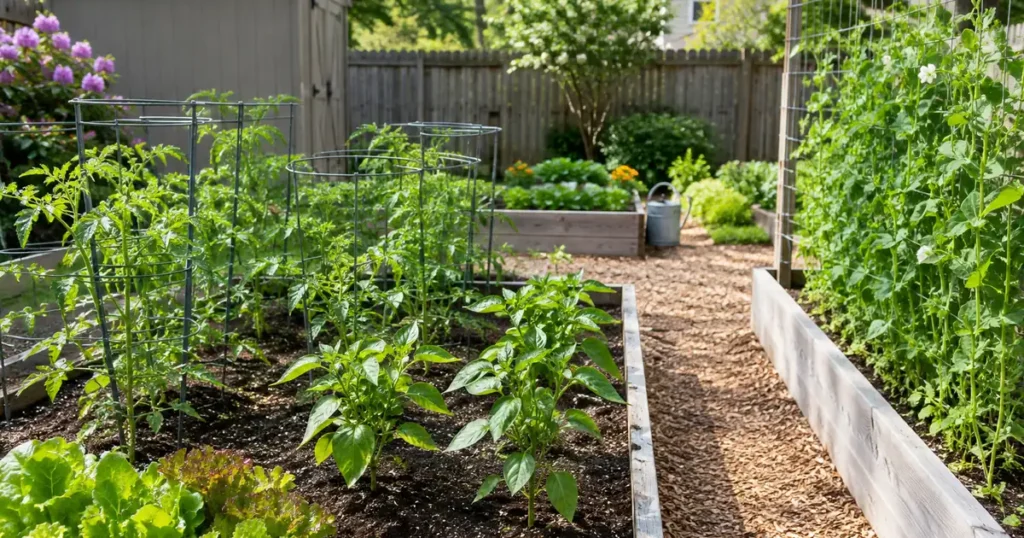
In zone 7, you plant cool-season crops like peas, spinach and potatoes in March, set out tomatoes and peppers once frost is behind you in late April or early May, and start a second round of cool-season crops in late July and August for fall. With a frost-free season of roughly 190 to 220 days, zone 7 gives you a long spring, a hot summer and a generous fall, and a good schedule uses all three.
Quick answer
- Typical last spring frost in zone 7: late March to mid-April. Typical first fall frost: late October to mid-November. These are typical ranges, so check your local dates.
- Frost-free season: about 190-220 days, enough for three planting windows (spring, summer, fall).
- Start tomatoes indoors in early to mid-March and peppers in mid to late February, then transplant after your last frost when nights stay above 50°F.
- Plant peas, spinach, onions and potatoes from late February through March.
- Sow or transplant fall broccoli, cabbage, carrots and kale from mid-July through August, and plant garlic from mid-October to mid-November.
In this guide
Want every planting date for your region in one place? Get The Year-Round Vegetable Garden (225 pages, $27).
What zone 7 means for your vegetable garden
Your USDA zone is based on the average coldest winter night, not on frost dates. In zone 7, that low falls between 0°F and 10°F (7a: 0 to 5°F, 7b: 5 to 10°F) on the 2023 USDA Plant Hardiness Zone Map. That tells you garlic, kale, collards and spinach can ride out most winters with a little help, while frost-tender crops die at the first 32°F night.
Frost dates come from NOAA climate normals for weather stations near you. Our guide to frost dates by zone shows how to look yours up by ZIP code. Use the schedule below as a framework, then shift it a week or two earlier or later to match your local dates, because elevation and microclimates vary a lot within one zone.
Where is zone 7?
Zone 7 is a broad band across the middle of the country. Examples on the 2023 map include:
- Zone 7b: Richmond and Charlottesville (VA), Nashville and Knoxville (TN), Oklahoma City and Tulsa (OK), Asheville (NC), Albuquerque (NM), Philadelphia and New York City.
- Zone 7a: Louisville (KY), St. Louis (MO), Wichita (KS), Charleston (WV).
- Parts of the North Carolina Piedmont, northern Georgia and Alabama, northern Arkansas and the Texas Panhandle also fall in zone 7.
Not sure which half zone you live in? The USDA hardiness zones guide explains how to find your exact zone.
Zone 7 planting schedule, month by month
This calendar assumes a last spring frost around early to mid-April and a first fall frost around late October to early November. In 7b and warmer coastal areas, you can often work a week or two earlier in spring and later in fall. In 7a and higher elevations, slide everything a week or two later in spring.
| Month | Start indoors | Plant outside | Harvest | Key tasks |
|---|---|---|---|---|
| January | Onions from seed (early to mid-month) | Nothing new; garlic is growing | Kale, collards, spinach under cover | Order seeds, plan beds, test soil |
| February | Broccoli, cabbage, lettuce, kale; peppers and eggplant (mid to late month) | Peas and spinach late in the month (7b), onion sets | Overwintered greens | Add compost when soil is dry enough to crumble |
| March | Tomatoes (early to mid-month) | Peas, potatoes, onions, spinach, lettuce, carrots, beets, radishes; broccoli and cabbage transplants | Spinach, kale, first radishes | Harden off brassica seedlings, keep row cover ready |
| April | Cucumbers and squash (optional, 3-4 weeks ahead) | More lettuce, carrots, beets; sweet corn mid-month; beans, tomatoes and peppers after the last frost | Lettuce, radishes, spinach, asparagus | Harden off tomatoes and peppers, watch for late frost |
| May | Nothing needed | Tomatoes, peppers, eggplant, beans, corn, cucumbers, squash; okra, sweet potato slips and southern peas once soil is warm | Peas, lettuce, strawberries, garlic scapes | Mulch, set up trellises and drip lines |
| June | Nothing needed | Succession beans, corn, cucumbers, squash; more okra and southern peas | Garlic, onions, early potatoes, beets, carrots, squash, cucumbers | Water about 1 inch a week, scout for squash vine borers |
| July | Broccoli, cabbage, collards for fall (early month) | Fall tomatoes in 7b (early month), squash and cucumbers, late beans; carrots from mid-month | Tomatoes, peppers, corn, beans, okra | Deep watering, pull spent spring crops |
| August | Lettuce for fall transplants | Broccoli, cabbage, kale transplants; beets, carrots (by about Aug. 20), lettuce, turnips | Tomatoes, peppers, eggplant, okra, melons, winter squash | Shade new seedlings, keep beds moist |
| September | Nothing needed | Spinach, lettuce, radishes, kale and collard transplants (early month); strawberry plugs mid-month | Sweet potatoes, winter squash, peppers, fall beans | Sow cover crops on empty beds |
| October | Nothing needed | Garlic and shallots from mid-month; last radishes and spinach early in the month | Last tomatoes and peppers, broccoli, lettuce, greens | Have frost cloth ready, soil test, sow cereal rye |
| November | Nothing needed | Finish garlic by mid-month | Kale, collards, cabbage, carrots, spinach, broccoli | Mulch garlic, compost fallen leaves, set up a cold frame |
| December | Nothing needed | Nothing new | Kale, collards, carrots and spinach under cover | Clean tools, browse seed catalogs |
Garden hack: Count backward from your own last frost date instead of trusting a calendar month. Peppers go under lights 8-10 weeks before it, tomatoes 6-8 weeks before it, and broccoli and cabbage 6-8 weeks before you plan to set them out, which is 2-4 weeks before the last frost. Our guide on when to start seeds indoors has a full countdown chart.
Gear that helps
- Seed starting kit with heat mat and grow light: Peppers, tomatoes and brassicas are started indoors from January to March in zone 7
As an Amazon Associate we earn from qualifying purchases. Check current prices and reviews on Amazon.
When to plant vegetables in zone 7: crop-by-crop table
These windows are adapted from extension planting guides for zone 7 regions, mainly Virginia Cooperative Extension (eastern and central Virginia), NC State Extension, UT Extension and Oklahoma State. “Fall planting” means sowing or transplanting in summer for a harvest in fall.
| Crop | Start indoors | Spring planting | Fall planting |
|---|---|---|---|
| Tomatoes | Early to mid-March | Late April to June | Late June to mid-July transplants (7b) |
| Peppers | Mid to late February | Late April to May | Not recommended |
| Eggplant | Mid to late February | Early to mid-May | Not recommended |
| Cucumbers | Optional, 3-4 weeks ahead | Late April to June | Late June to mid-July |
| Summer squash | Optional, 3-4 weeks ahead | Late April to June | July to mid-August |
| Snap beans | No | Late April to early June | July to early August |
| Sweet corn | No | Mid-April to June (soil at 60°F+) | Not recommended |
| Peas | No | Late February to March | Not recommended |
| Lettuce | Late January to February | Mid-March to April | Mid-August to mid-September |
| Spinach | No | Late February to early April | September to early October |
| Kale and collards | February | March to mid-April | August to early September |
| Broccoli | Late January to mid-February | Mid-March to mid-April (transplants) | August transplants (seed early July) |
| Cabbage | Late January to mid-February | Mid-March to mid-April (transplants) | August transplants |
| Carrots | No | Mid-March to April | Mid-July to mid-August |
| Beets | No | Mid-March to April | August to early September |
| Radishes | No | March to April | Late August to early October |
| Onions (intermediate-day) | Early January | Sets or transplants in March | Overwintering sets in October |
| Potatoes | No | Mid-March to April | Not recommended |
| Garlic | No | Not recommended | Mid-October to mid-November |
| Strawberries | No | Dormant plants in March (matted row) | Plug plants mid-September to early October |
| Okra | No | Mid-May to June | Not recommended |
| Sweet potatoes | Slips | Mid-May to June | Not recommended |
| Southern peas | No | Mid-May to July | Not recommended |
Which onions grow in zone 7?
Zone 7 sits in the transition between short-day and long-day onion country. Intermediate-day (day-neutral) varieties are the safest bet for bulbs across the zone. Short-day types work in the southern half, especially if you plant sets in fall, while long-day storage onions often bulb poorly south of Virginia and Kentucky. Fall-planted sets need a mulch blanket in 7a.
Spring in zone 7: get the timing right
Spring is where most zone 7 gardens win or lose. The soil can usually be worked in March, and cool-season crops tolerate light frosts, so peas, spinach, onions and potatoes go in 2 to 6 weeks before the last frost. Wait for the soil to reach at least 40°F for peas and spinach and 45°F for potatoes. Our list of what to plant in February covers the earliest sowings.
Warm-season crops need warm soil as much as frost-free air. Tomatoes and peppers stall in soil below 60°F, and beans and corn rot in cold, wet ground. Extension guides in Tennessee and Virginia set their targets in mid to late April for this reason. Many gardeners in 7a wait until early May.
Watch out: A warm week in late March tempts everyone to plant tomatoes. A frost in mid-April is common in zone 7, and a single 32°F night kills tomato, pepper and basil transplants. Keep frost cloth or old sheets on hand through your 10% frost date.
Gear that helps
- Frost cloth / floating row cover: Protects early transplants from the mid-April frosts common in zone 7
As an Amazon Associate we earn from qualifying purchases. Check current prices and reviews on Amazon.
Summer heat and humidity in zone 7
Zone 7 summers are hot and often humid, with stretches above 90°F in the South and Southern Plains. Here is how to keep plants producing:
- Mulch early. Two to three inches of straw or shredded leaves keeps soil cooler, holds moisture and reduces splashing that spreads tomato leaf diseases.
- Water deeply, not often. Aim for about 1 inch per week, more in heat waves, delivered at the base of plants. Drip lines or soaker hoses keep foliage dry.
- Expect a mid-summer pause. Tomato fruit set drops when nights stay above about 75°F or days climb past the mid-90s. Plants usually recover when temperatures ease.
- Space for airflow. Humid nights favor powdery mildew on squash and early blight on tomatoes. Prune lower tomato leaves and avoid crowding.
- Use heat-lovers. Okra, sweet potatoes, southern peas and hot peppers thrive in July and August when lettuce and peas have quit.
The Year-Round Vegetable Garden (2027 Edition)
Plan the whole season in one place: a 225-page month-by-month guide with calendars for six US growing regions, 50 plant profiles (tomatoes included), 5 copy-ready garden plans and 7 printable pages.
Tomato lover? Add Tomato Mastery, our seed-to-harvest tomato blueprint, for just $10 at checkout.
Get the guide ($27)Gear that helps
- Drip irrigation kit for raised beds: Delivers deep watering at the soil line and keeps foliage dry in humid summers
As an Amazon Associate we earn from qualifying purchases. Check current prices and reviews on Amazon.
Fall gardening in zone 7
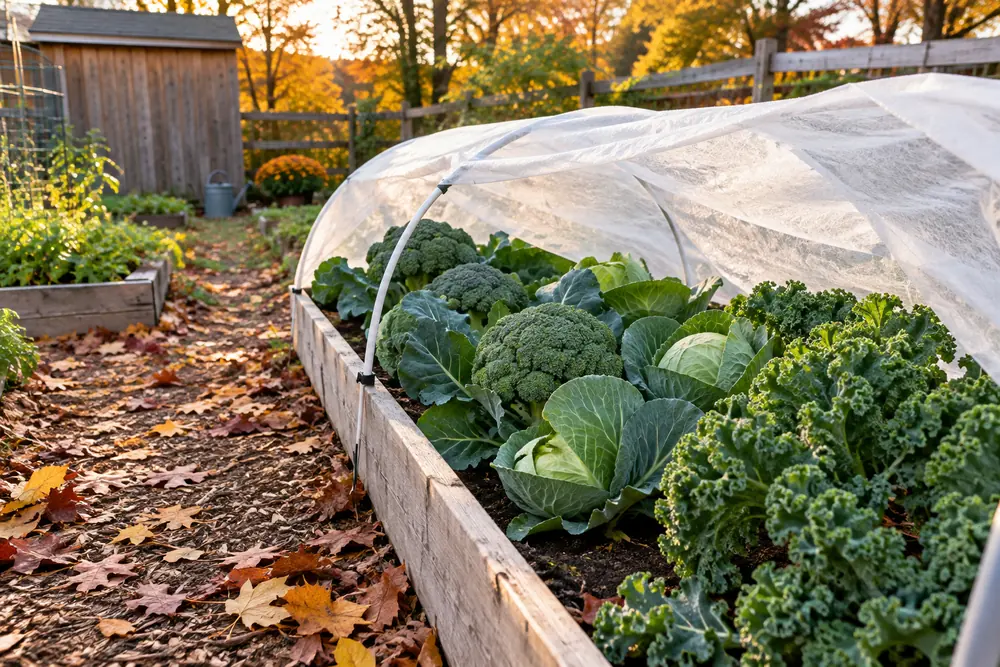
Fall may be the best season in zone 7. Cool nights sweeten broccoli, cabbage, carrots and kale, and pest pressure drops. The trick is planting in the heat of late July and August so crops mature before hard freezes. Our fall vegetable garden guide shows how to count back from your first frost.
Kale, collards and spinach handle temperatures in the low 20s°F and often keep producing into winter under row cover. Garlic goes in from mid-October to mid-November, roughly 3 to 6 weeks before the ground starts to freeze.
Garden hack: Start fall broccoli and cabbage seeds indoors or in a shaded tray in early July. Soil in an August bed can top 85°F, which slows germination for many cool-season crops, but 4-to-5-week-old transplants settle in fast if you water them daily for the first week.
Gear that helps
- Soil thermometer: Helps time warm-season planting in spring and germination of fall crops
As an Amazon Associate we earn from qualifying purchases. Check current prices and reviews on Amazon.
Common mistakes to avoid
- Planting tomatoes and peppers on the first warm weekend instead of after the last frost and into warm soil.
- Sowing peas and spinach too late. If they go in after mid-April, heat makes them stall or bolt.
- Buying long-day onions in the southern half of the zone, where they may never form bulbs.
- Forgetting the fall garden until September, when it is too late for broccoli, cabbage and carrots to size up.
- Watering lightly every day, which keeps roots shallow and plants stressed in July.
- Leaving beds bare over winter. A cereal rye or crimson clover cover crop protects and feeds the soil.
FAQ
When should I start planting in zone 7?
Start in late February to March with peas, spinach, onions and potatoes, about 2 to 6 weeks before your last frost. Plant tomatoes, peppers and beans after your last frost, usually mid-April to early May.
When can I plant tomatoes in zone 7?
Transplant tomatoes after your last frost date, once nights stay above about 50°F and the soil is near 60°F. That is usually late April in zone 7b and early May in zone 7a.
What can I plant in zone 7 in August?
August is prime time for fall crops: broccoli, cabbage and kale transplants, plus beets, carrots, lettuce and turnips from seed. Shade young seedlings and water often until they establish.
Can you grow vegetables in winter in zone 7?
Yes. Kale, collards, spinach, mache and carrots survive most zone 7 winters, especially under row cover or in a cold frame. Growth slows a lot from December to February, so plant them in early fall.
When do I plant garlic in zone 7?
Plant garlic from mid-October to mid-November, a few weeks before the ground freezes. Mulch with straw after planting and harvest in June.
Keep reading
Sources
- Virginia’s Home Garden Vegetable Planting Guide – Virginia Cooperative Extension
- Central North Carolina Planting Calendar for Annual Vegetables, Fruits, and Herbs – NC State Extension
- Tennessee Home Fruit and Vegetable Garden Calendar – UT Extension
- Oklahoma Garden Planning Guide (HLA-6004) – Oklahoma State University Extension
- Get Growing: Strawberries in the Garden – NC State Extension
- Understanding High Temperature Effects on Fruit Set of Tomatoes – Purdue Extension
- USDA Plant Hardiness Zone Map – USDA Agricultural Research Service
- Interactive Map: Average Date of Last Spring Freeze – NOAA Climate.gov