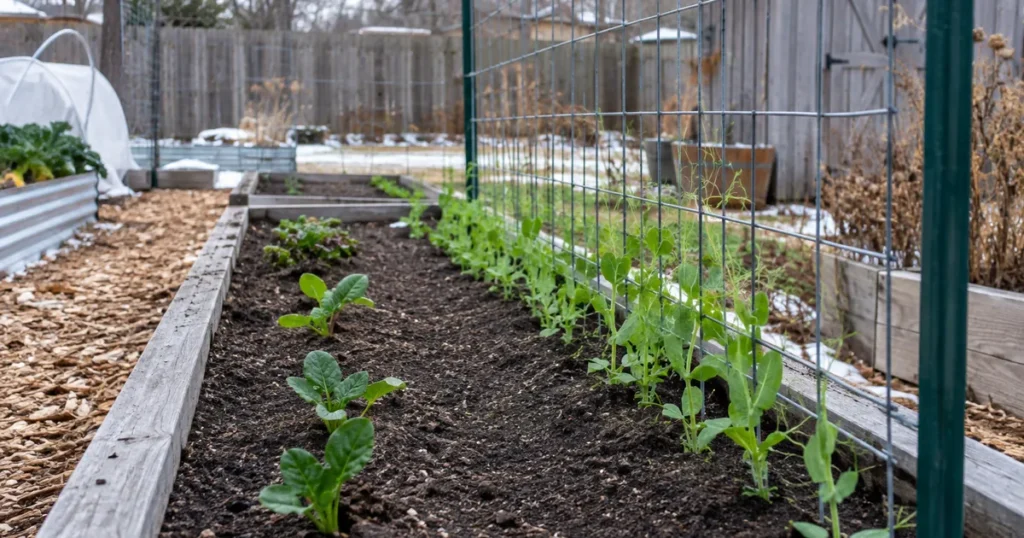
What you can plant in February depends on your USDA zone. In zones 3-4, it is onion and leek seed-starting month. In zones 5-7, peppers, eggplant and cabbage-family crops go under lights, while zones 7-8 direct sow peas and spinach and plant potatoes. In zones 9-10, February is a big month for both cool-season crops and the first warm-season plantings.
Quick answer
- Zones 3-4: start onions and leeks indoors; order seed potatoes; start winter sowing late in the month.
- Zones 5-6: start broccoli, cabbage and onions indoors; start peppers and eggplant in late February (zone 6) or early March (zone 5).
- Zone 7: start peppers, eggplant and then tomatoes indoors; sow peas and spinach outdoors from mid to late February.
- Zone 8: plant potatoes and onion sets, sow peas, spinach, radishes, beets and carrots, and set out broccoli and cabbage transplants.
- Zones 9-10: sow beets, carrots, lettuce and peas; in Central and South Florida, plant tomatoes, peppers, squash, beans and corn.
In this guide
Want every planting date for your region in one place? Get The Year-Round Vegetable Garden (225 pages, $27).
How to use this February planting guide
Use your zone to find the right section, then fine-tune with your own frost dates. The 2023 USDA Plant Hardiness Zone Map describes your average coldest winter night, not when spring arrives. Your last frost date, from NOAA climate records, is what the counting below is based on, so look yours up on our frost dates by zone page or through your extension office. Microclimates vary, even within one county.
February is when the “weeks before last frost” math starts to matter for most of the country. Peppers and eggplant need about 8-10 weeks indoors and go out 2-3 weeks after the last frost, so many gardeners start them this month. If you are catching up, check what to plant in January for the slowest crops, like onions.
What to plant in February: zone-by-zone overview
| USDA zone | Typical last frost | Start indoors in February | Plant outdoors in February |
|---|---|---|---|
| 3-4 | Mid-May to early June | Onions, leeks | Winter sowing late in the month |
| 5 | Late April to mid-May | Onions, leeks; broccoli and cabbage late in the month | Winter sowing of hardy greens and onions |
| 6 | Mid-April to early May | Broccoli, cabbage, cauliflower, lettuce; peppers and eggplant late in the month | Winter sowing; nothing direct-sown yet in most years |
| 7 | Late March to mid-April | Peppers and eggplant early; tomatoes late | Peas and spinach mid to late month; onion sets |
| 8 | Early March to early April | Tomatoes and peppers early in the month | Potatoes, onions, peas, spinach, radishes, beets, carrots, turnips; broccoli and cabbage transplants |
| 9-10 | Frost rare to late February | Tomatoes and peppers for spring, if not started | Wide range of cool- and warm-season crops (see below) |
What to plant in February in zones 3-4
Outdoors, it is still deep winter. Indoors, the season begins. University of Minnesota Extension schedules onions and leeks for early February, about 14-15 weeks before they move outside in mid-May.
- Onions and leeks: sow in early February in trays or deep cells, about 1/4 inch deep. Keep the light 2-4 inches above the seedlings for 14-16 hours a day.
- Order seed potatoes and onion sets now for delivery at planting time.
- Winter sowing: South Dakota State University Extension suggests February through April for cold-hardy vegetables and annuals in the northern Plains. Late February is a good time to sow spinach, lettuce, kale and onions in clear jugs set outdoors.
- Hold off on peppers and tomatoes. In zone 4, peppers start around late March and tomatoes in early to mid-April.
What to plant in February in zones 5-6
This is the main seed-starting ramp-up for much of the Midwest, the Northeast and the central Rockies.
Start indoors
- Onions and leeks: early to mid-February in zone 5, if you have not started them yet.
- Broccoli, cabbage, cauliflower and lettuce: these need 5-7 weeks indoors and go out 2-4 weeks before the last frost. That means mid to late February in zone 6 and late February to early March in zone 5.
- Peppers and eggplant: start 8-10 weeks before transplanting, which happens 2-3 weeks after the last frost. With an April 20 frost (zone 6), sow in late February or early March. With a mid-May frost (zone 5), wait until mid to late March.
Outdoors
Winter sowing works well for hardy greens and onions now. Direct sowing waits: peas and spinach go in about 4-6 weeks before the last frost, which is March in zone 6 and late March to April in zone 5. Our guide to winter sowing shows how to prepare the containers.
Garden hack: Pepper seeds sprout much faster in warm soil. Oregon State Extension data shows pepper emergence in about 8 days at 77-86°F versus about 25 days at 59°F, so a seedling heat mat under the tray pays for itself in time saved.
Gear that helps
- Seedling heat mat: Peppers and eggplant started in February sprout much faster on bottom heat.
As an Amazon Associate we earn from qualifying purchases. Check current prices and reviews on Amazon.
What to plant in February in zones 7-8
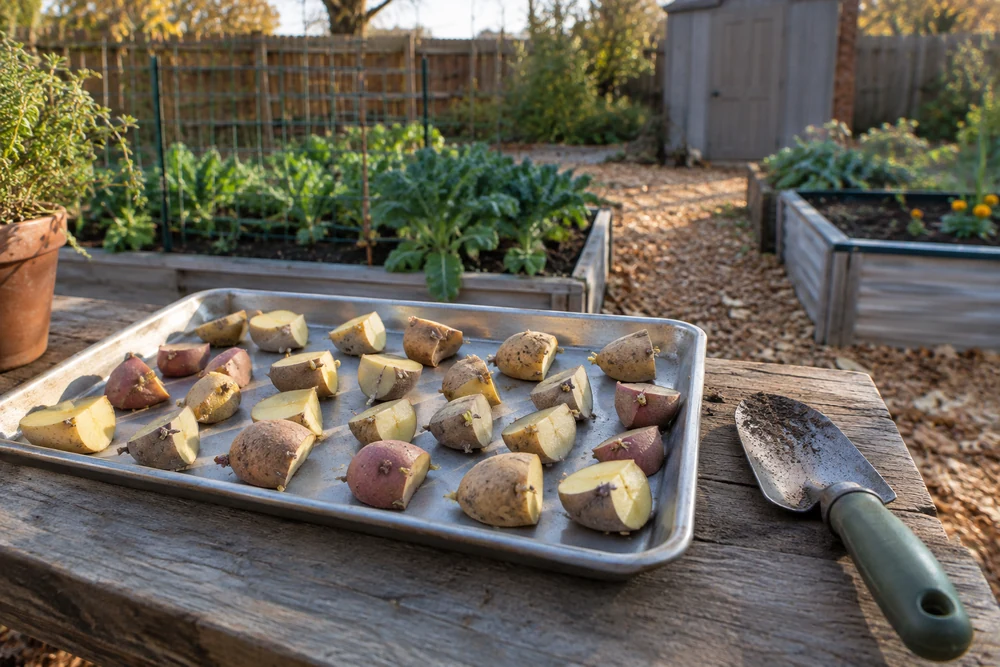
From Virginia and the Carolinas to Texas and the Pacific Northwest lowlands, February is when outdoor planting starts.
Zone 7
- Peas and spinach: Clemson HGIC lists mid to late February for both in the South Carolina Piedmont. Spinach can handle temperatures down to about 20°F. In the colder half of zone 7, wait until early March.
- Onion sets and transplants: late February into March, about 2-4 weeks before the last frost.
- Indoors: start peppers and eggplant early in the month and tomatoes late in the month for April and early May transplanting.
- Radishes and lettuce: sow under a row cover or in a cold frame in late February.
Zone 8
- Potatoes: Travis County AgriLife Extension (Austin, Texas) recommends planting seed potatoes in mid-February. Cut large potatoes into pieces and let them cure indoors for a week or two before planting.
- Peas: sow sugar snap, snow or English peas early in the month so they have 50-60 days of growth before hot weather.
- Onions: plant sets and transplants early in February, before stores sell out.
- Root crops: sow beets, turnips and carrots later in the month.
- Broccoli, cabbage, cauliflower: February is the last month to set out transplants in Central Texas. Harden them off first and be ready to cover them on frosty nights.
- Indoors: start tomatoes and peppers early in the month if you have not already, and pot up seedlings started in January.
Watch out: Peas and spinach shrug off frost, but pea flowers do not. Clemson notes that a row cover adds about 4 degrees of protection, down to about 28°F. Keep one handy for early plantings, and read our guide to protecting plants from frost.
Gear that helps
- Floating row cover: Protects early peas, spinach and transplants from February frosts.
As an Amazon Associate we earn from qualifying purchases. Check current prices and reviews on Amazon.
What to plant in February in zones 9-10
In Florida, South Texas, Southern California and the desert Southwest, February bridges the cool and warm seasons. It is the last call for many cool-season crops and the start of spring tomatoes.
Florida (UF/IFAS planting windows that include February)
| Region | Vegetables you can plant in February |
|---|---|
| North Florida | Beets, broccoli, cabbage, carrots, collards, kale, lettuce, mustard, English peas, Irish potatoes, radishes, turnips |
| Central Florida | Snap beans, beets, broccoli, cabbage, cantaloupe, carrots, collards, sweet corn, cucumbers, eggplant, kale, lettuce, English peas, peppers, Irish potatoes, radishes, spinach, summer squash, tomatoes, turnips, watermelon |
| South Florida | Snap beans, cantaloupe, carrots, sweet corn, cucumbers, eggplant, lettuce, English peas, peppers, radishes, spinach, summer squash, tomatoes, watermelon |
In Central Florida, February is the last month in the UF/IFAS chart for broccoli, cabbage, kale, lettuce, peas, potatoes, eggplant and tomatoes. In South Florida, it is the last month for cucumbers, eggplant, peppers, lettuce, spinach and tomatoes, so plant early.
California and the Southwest
UC Master Gardeners in Sacramento County recommend sowing cool-season crops such as beets, carrots, lettuce and peas directly in February, and planting seed potatoes once the soil reaches about 55°F, usually late February to early March. Start tomatoes and peppers indoors now if you have not already. In the low deserts, check your local extension calendar, since spring heat arrives early there.
The Year-Round Vegetable Garden (2027 Edition)
Plan the whole season in one place: a 225-page month-by-month guide with calendars for six US growing regions, 50 plant profiles (tomatoes included), 5 copy-ready garden plans and 7 printable pages.
Tomato lover? Add Tomato Mastery, our seed-to-harvest tomato blueprint, for just $10 at checkout.
Get the guide ($27)Your February garden to-do list
- Confirm your seed-starting schedule by counting back from your last frost date. Our guide on when to start seeds indoors lists timing crop by crop.
- Check seedlings daily for moisture and light. Leggy seedlings mean the light is too far away.
- Pot up onions, broccoli and other early starts when their roots fill the cell.
- Prepare beds in zones 7-10 by adding compost once the soil is dry enough to crumble.
- Buy seed potatoes and onion sets before they sell out.
- Set up row covers or a cold frame for early plantings.
- Get a soil test if you have not had one in three years, so you can adjust before planting.
- Check stored crops and use up anything starting to soften or sprout.
Gear that helps
- Soil test kit: February is a good time to test soil before spring planting.
As an Amazon Associate we earn from qualifying purchases. Check current prices and reviews on Amazon.
Common mistakes to avoid
- Starting tomatoes too early. In zones 3-6, February tomatoes outgrow their pots long before it is warm enough outside. They need only 6-8 weeks indoors.
- Sowing peas into soggy soil. Peas can germinate from about 40°F, but waterlogged soil rots seed. Wait until the soil crumbles in your hand.
- Planting whole potatoes straight from the bag in wet, cold soil. Cut pieces need time to cure first, and potatoes go in at about 45°F soil or warmer.
- Skipping hardening off. Even cold-hardy broccoli transplants need 7-14 days of gradual outdoor exposure before planting.
- Missing the window in the South. In zones 9-10, February is the last chance for many cool-season crops before heat makes them bolt.
FAQ
What vegetables can I plant in February?
In zones 7-8, plant peas, spinach, radishes, onions and potatoes outdoors. In zones 9-10, plant cool-season greens, carrots, beets and peas, plus tomatoes, peppers and squash in frost-free areas. Farther north, February is for starting onions, leeks, broccoli and peppers indoors.
Is February too early to plant potatoes?
Not in the South. Mid-February is a traditional potato planting time in Central Texas, and January through March works in North Florida. In zones 3-7, wait until about 2-3 weeks before your last frost, when the soil reaches about 45°F.
Can I plant peas in February?
Yes, in zones 7-10. Peas tolerate frost and can be sown about 4-6 weeks before the last frost. Clemson recommends mid to late February in the South Carolina Piedmont. In colder zones, peas go in during March or April.
What seeds do I start indoors in February?
Onions and leeks in zones 3-5; broccoli, cabbage, cauliflower and lettuce in zones 5-6; and peppers and eggplant from early February in zone 7 to late February in zone 6. Zone 8 gardeners start tomatoes and peppers early in the month.
What can I plant in February in zone 6?
Start broccoli, cabbage, cauliflower and lettuce indoors mid to late month, and peppers and eggplant at the end of the month. Outdoors, winter sowing of hardy greens works now; direct-sown peas and spinach usually wait until March.
Keep reading
Sources
- Florida Vegetable Gardening Guide – UF/IFAS Extension
- In the February Vegetable Garden – Texas A&M AgriLife Extension, Travis County
- Early Spring Vegetables – Clemson Cooperative Extension HGIC
- Starting seeds indoors – University of Minnesota Extension
- Winter Sowing in the Northern Great Plains – South Dakota State University Extension
- Monthly Vegetable Gardening Tips – UC Master Gardeners of Sacramento County
- Soil temperature conditions for vegetable seed germination – Oregon State University Extension
- Vegetable Planting Guide – Colorado State University Extension